The Things Nobody Notices About a Great Coworking Space
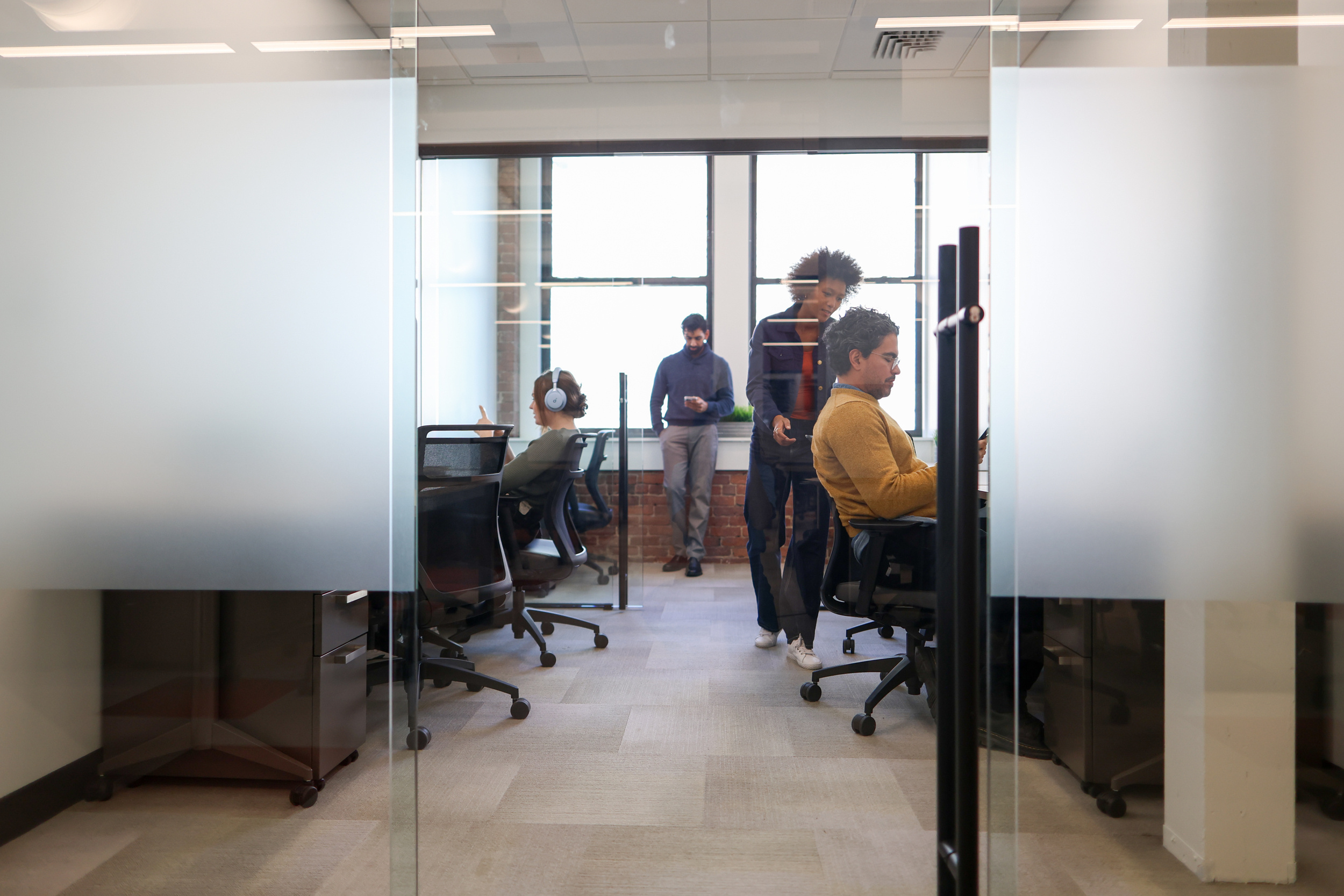
A prospect recently emailed our Sales Director before signing a private office at our new Workbar location in Harvard Square.
The message said something like: "I've heard horror stories about new office spaces and GC’s cutting costs on construction materials. What if the WiFi isn't great? What if the heating and cooling don't work properly?"
I couldn't stop thinking about it. Not because those aren't fair questions. They are. But because the question assumes those things are afterthoughts.
They're not. In fact, they're the foundation of everything we do.
I've been running Workbar since 2018, and I've spent most of my career in the flexible workspace industry. Over the years, I've learned that the things people notice on a tour are rarely the things that determine whether they'll stay.
What they don't notice are the hundreds of decisions that make a workspace actually function. Those decisions start long before construction begins. When Workbar signs a new location, we don't negotiate a lease and then hand our requirements to the landlord afterward. We negotiate the buildout specifications upfront. Before a deal is signed, the general contractor, architect, and landlord are already working from a detailed Workbar playbook built from years of operating coworking spaces.
Anyone who has worked on a project with me has probably heard me say the same thing: I'm willing to value engineer almost anything that doesn't directly impact the member experience.
I care less than most people would think about the door hardware or the clever name on a meeting room.
I care about acoustics.
I care about WiFi infrastructure.
I care about heating and cooling.
I care about the number of power outlets.
I care about the lighting.
I care about whether someone can take a Zoom call, focus on a proposal, host a client meeting, or spend eight productive hours in the space without thinking about the building around them.
That's where we spend our money. Because the goal isn't to create a space that looks good on opening day. The goal is to create a space that still works five years later.
Take acoustics. One of the biggest complaints people have about shared workspaces is noise. If you're constantly distracted by conversations around you, you can't focus. If you can't focus, you won't stay. That's why every Workbar location, including our new coworking space in Harvard Square, is built with a layered acoustic strategy.
We install sound masking systems that create a consistent background sound and make conversations less noticeable. We use K13 acoustic ceiling treatment to absorb sound and reduce echo. We build walls all the way to the ceiling deck rather than stopping above the ceiling tiles, which helps prevent sound from traveling between offices. We add acoustic insulation inside our walls. We use carpeting and other soft-surface materials throughout key coworking neighborhoods to absorb sound and reduce distractions.
Most people never notice any of this and that's okay. The goal isn't for people to notice it.The goal is for people to sit down, do their work, and not think about the environment around them.
The same thing is true of technology.
Today, I was visiting our Needham location when a coworking member mentioned that his Zoom calls weren't as clear as they should be when he moved from one part of the space to another. Our Head of IT immediately jumped in to help.
After troubleshooting, he determined the issue wasn't our network, it was the member's device.
Then he went to the store and bought the equipment the member needed to fix it. This wasn't an enterprise customer. It wasn't a private office member. It was an individual coworking member.
Because that's how seriously we take the member experience. The reality is simple: if our WiFi isn't reliable, our members won't stay. If our heating and cooling aren't working, our members won't stay. If our spaces are too noisy, our members won't stay.
The coworking industry talks a lot about community, events, and amenities, and those things matter. But before any of that matters, the basics have to work.
Reliable WiFi.
Activity-based layouts that encourage movement.
Comfortable temperatures.
Professional meeting rooms.
Acoustics that support focus.
Ergonomic furniture that keeps you feeling good during the workday.
Technology that works when you need it.
Those aren't amenities. They're expectations. As we prepare to open Workbar Harvard Square, we're not spending our time worrying about whether the furniture photographs well on social media. We're focused on the fundamentals.
Because after decades in flexible workspace, we've learned something simple:
People don't stay because a space looks good. They stay because it works.