When we announced Workbar was coming back to Union Square, I expected people to be excited. I didn’t expect people to come out of the woodwork. Former members. Former employees. People who remembered the original Workbar. People who worked in the neighborhood back then. People with stories about what Union Square, and Workbar, were like more than a decade ago.
There was something incredibly fun about it. Because we're not just opening another Workbar. We're going back.
Workbar first opened in Union Square more than a decade ago, when both Workbar and the neighborhood looked very different. Union Square was gritty. It was affordable. It was full of small manufacturers, artists, immigrants, entrepreneurs and people building things. And not too far away, another young organization was getting its start. Greentown Labs was priced out of Kendall Square and landed in Somerville in 2013. I recently had the opportunity to talk with Julia Travaglini, head of the climatech incubator, for a podcast, and one of the questions I kept coming back to was: Could Greentown have become Greentown anywhere else?
I don't think that's just a question about Greentown. It's a question about ecosystems and the role they play in shaping companies. Innovation doesn’t always happen inside four walls. It's the founder you meet because they're working two tables away. The introduction someone makes. The person you bump into getting coffee. The conversation you weren't planning to have that changes what you do next. So during the Greentown conversation, I asked Julia to talk about the random collisions, introductions or chance encounters that she had witnessed that went on to change the trajectory of a company.
I've watched it happen at Workbar for years. And Union Square has always had the ingredients that make those collisions possible. It wasn't master-planned into an "innovation district." It evolved organically. Artists worked next to manufacturers. Entrepreneurs worked next to neighborhood businesses. Greentown became an anchor for climatetech. Ideas and people crossed paths because they were physically close enough for that to happen. That's hard to manufacture.
But Union Square isn't the same neighborhood anymore.
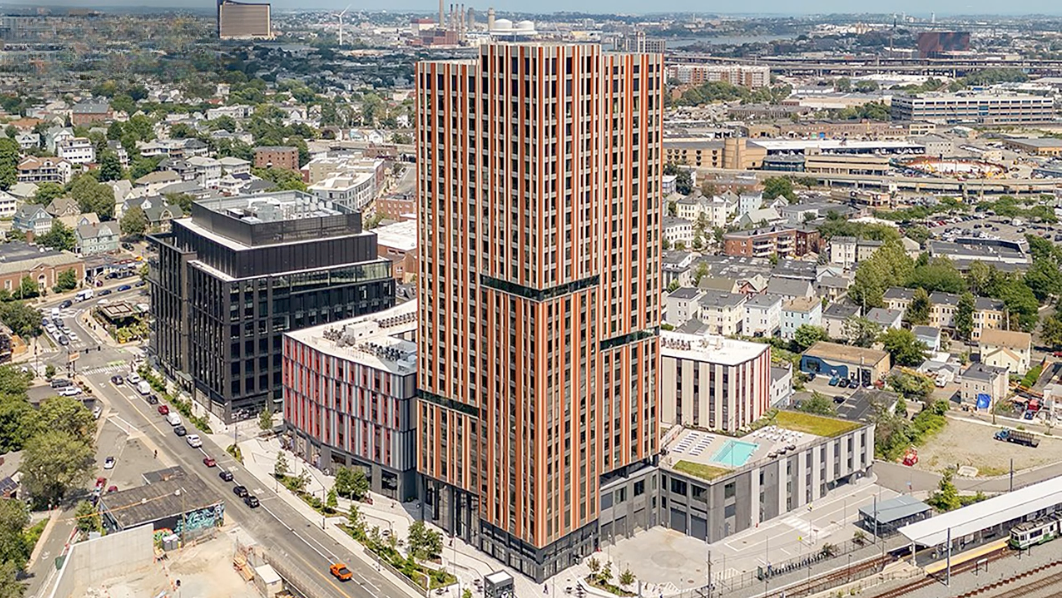
Today there's a Green Line station. There's significantly more development. There are new apartments, labs, restaurants, businesses, and infrastructure. And there's a much larger innovation economy growing around it.
When I was talking with Julia, I kept thinking about how connected all of those things are. Transportation changes who can get somewhere. Housing changes who can live there. Workspace changes who can build there. Infrastructure changes what companies can stay and grow there. And the organizations that establish themselves in a neighborhood help shape what comes next. That's why coming back to Union Square feels so good to me.
We're returning to the same neighborhood, but we're not returning to the same place. And the same is true of Workbar. We're still Workbar. But we grew up, too.
I've been looking at pictures of the original Union Square Workbar. There were statements written all over the walls. "We sit where we're comfortable, not where we're told." "We need command posts, not cubicles." "We choose routines that are not routine." I can't say I identify with all of them anymore. Some feel very much like a particular moment in the evolution of coworking, and Workbar.
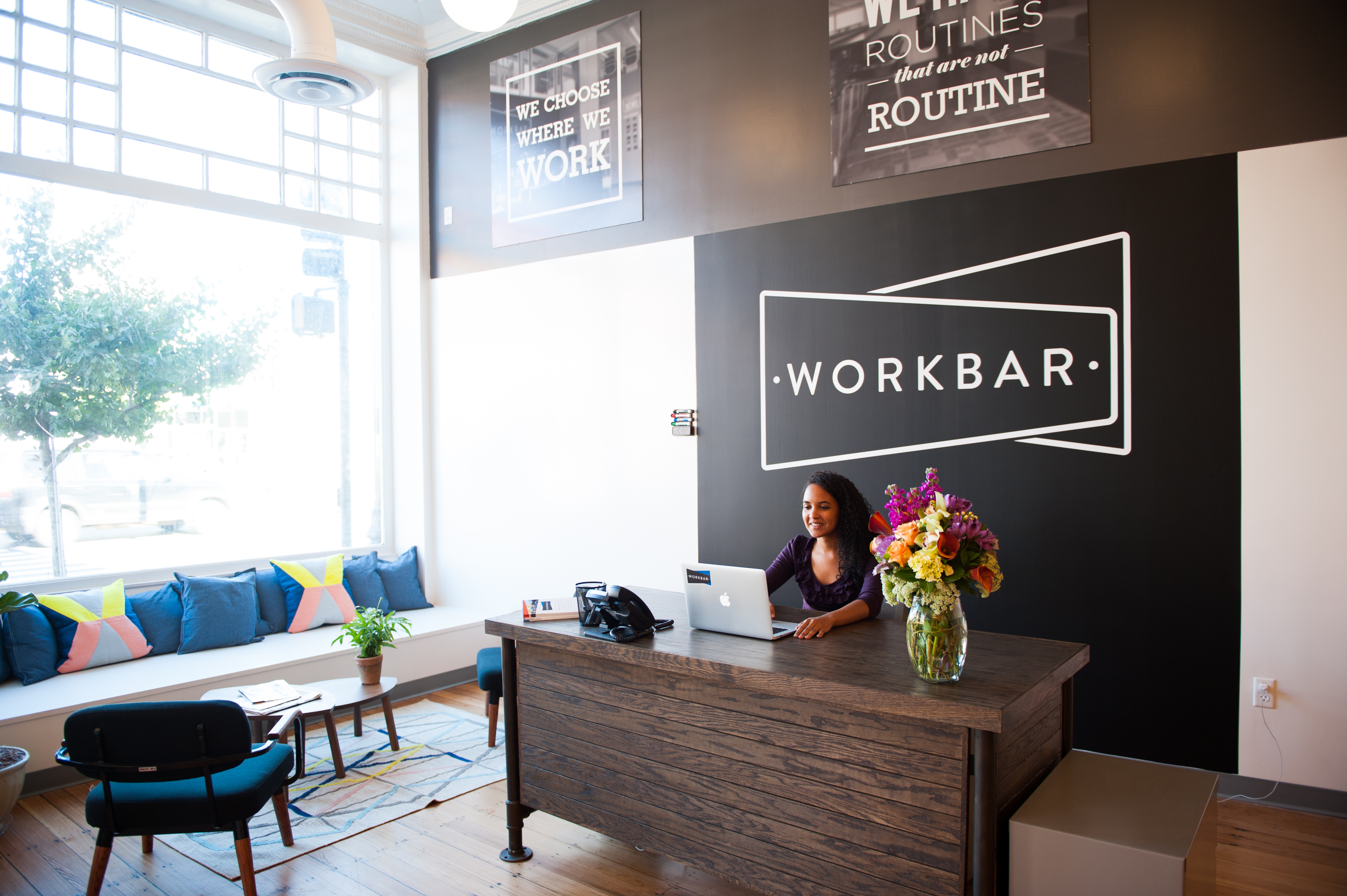
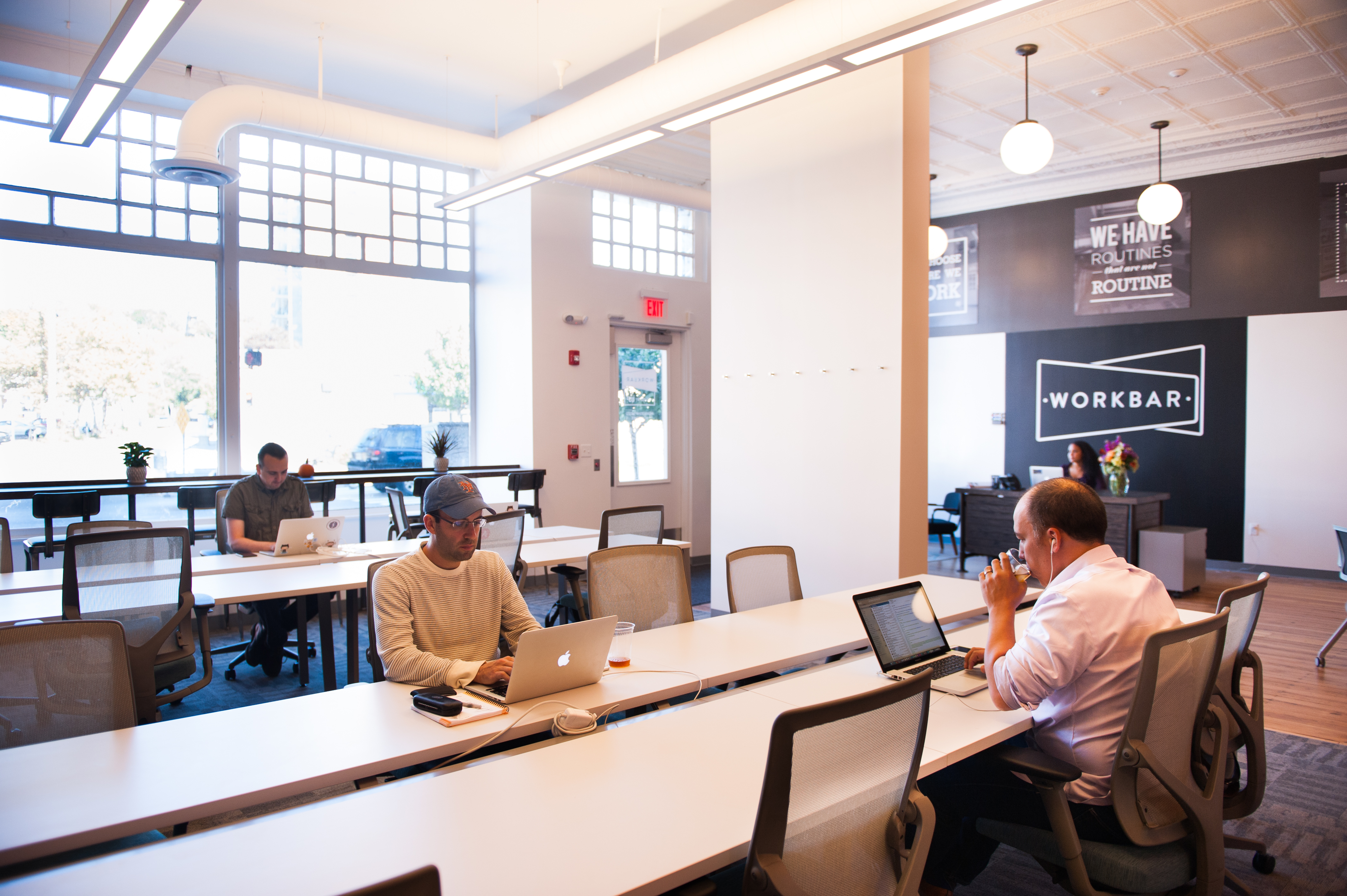
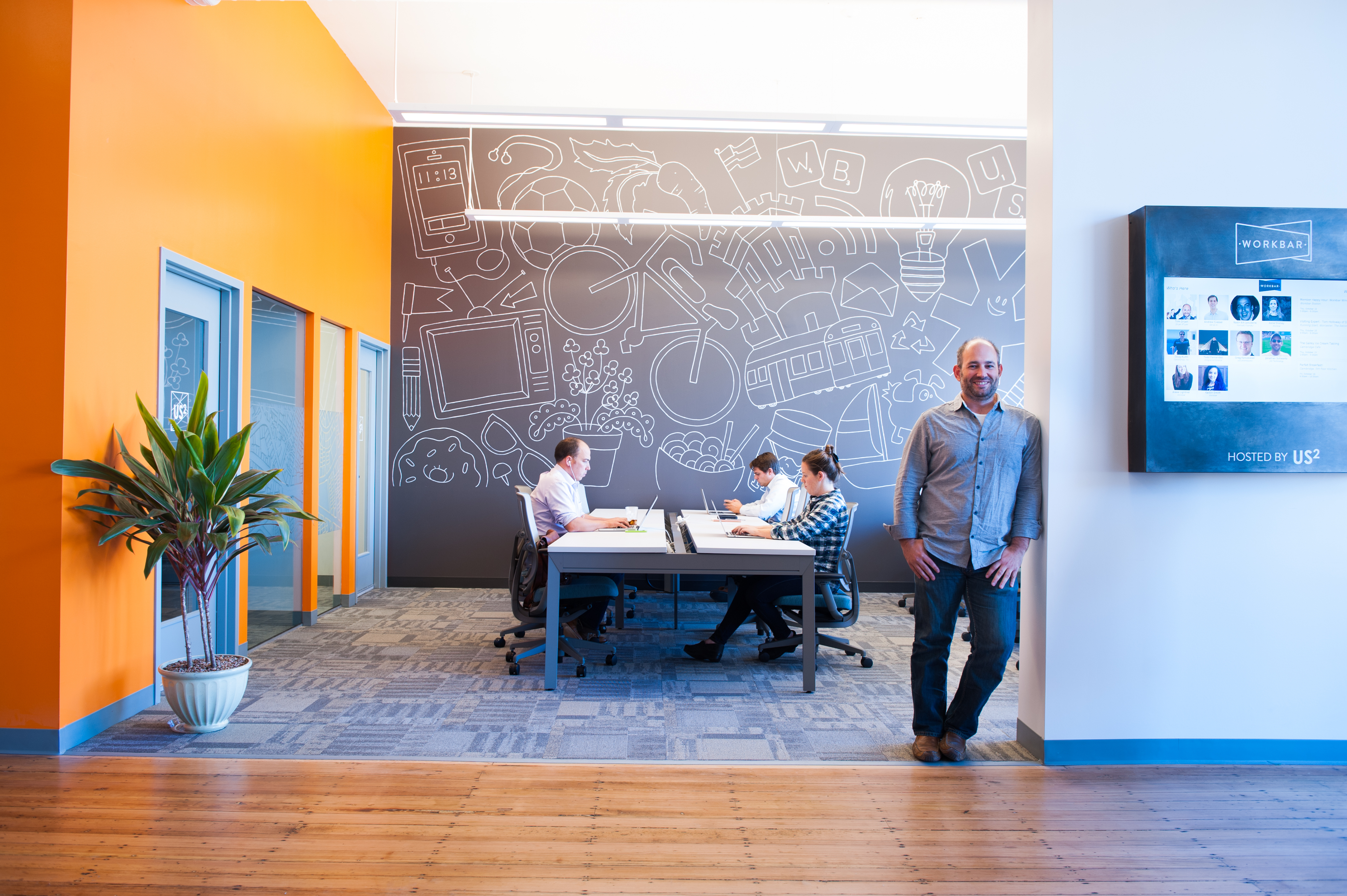
But there's one that still speaks to me: We choose where we work.
More than a decade later, that idea is probably more relevant than it was when someone first put it on the wall. Back then, choosing where you worked was almost rebellious. Today, people expect choice. What we've learned is that choice isn't just about which building you work from. It's also about choosing the environment that works for what you're doing at that moment. Sometimes you need quiet. Sometimes you need to collaborate. Sometimes you need to take calls all afternoon. Sometimes you need other people around you.
So yes, the space will look very different from the Workbar that left Union Square. But in some ways, it will be exactly the same. The idea survived. Our understanding of how to deliver it got better.
What has surprised me most about announcing our return isn't the development or even the physical transformation of the neighborhood. It's how many people remember. The announcement brought former members, former employees and old friends of Workbar back into the conversation. People started sharing memories and talking about the culture that existed in those early spaces.
One former member described the old "Workbarian" culture as unrivaled. You spend so much time running a company looking forward and evolving that you don't always notice which parts of that evolution people still carry with them.
The original Workbar Union Square clearly meant something to people. So while this buildout is technically about constructing our 13th location, I'm starting to think about it differently.
We're not trying to recreate the old Workbar. And Union Square isn't trying to recreate the neighborhood it was more than a decade ago. The opportunity is to bring the best of what made both special into what they become next. There's something pretty perfect about returning to a neighborhood built by people willing to take risks to meet the moment. Because that's essentially what we've been doing all along. We still believe people should choose where they work. We just know a lot more about what they need once they get there. And this time, there's a Green Line stop waiting for us.
.jpg?width=352&name=Workbar_ss_10%20(2).jpg)