Coworking vs. Traditional Office Space: Why Flexibility Wins
What is coworking space anyway?
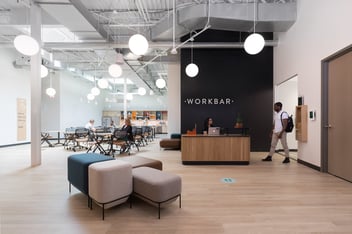
A coworking space is a collaborative dedicated space where individuals and teams from different professions, backgrounds, and companies can come together to work in the same physical environment.
Coworking provides all the benefits of an office, while optimizing for productivity rather than the number of desks.
What is traditional office space?
A traditional office space is a leased commercial space, often with a long-term commitment. In this type of office space, the tenant is typically responsible for the buildout, furniture, utilities, and maintenance. Traditional office leases in Greater Boston follow standard commercial real estate practices. By signing a lease, you are committing to terms related to lease duration, rent increases, and expansion.
Key differences between coworking and traditional office space in Greater Boston
Lease length and commitment
In Greater Boston, traditional office space usually requires multi-year leases—often 3-5 years. In contrast, coworking space offers month-to-month or short-term agreements, offering more flexibility. This is especially important for Boston businesses, because commercial rent rates are higher than the national average. Committing to a traditional office can impact a business’s finances for years.
It is also important to note that in Massachusetts, tenants have fewer built-in protections for commercial leases than residential leases. The fine print of your commitment matters—making flexibility even more desirable.
Coworking spaces like Workbar give modern teams a growth advantage. Rather than getting stuck in a pricey long-term lease, companies in coworking spaces get all the benefits of a premium professional facility without the inflexibility that can impact headcount decisions.
Amenities and services included
WiFi, cleaning, furniture, supplies, reception—these are all things we think of when we think of traditional office spaces. They’re also all examples of what businesses have to handle themselves when they rent a commercial space. The time and resources it takes to manage these components of a workspace can add up and require dedicated staff to make everything run smoothly.
On the other hand, at coworking spaces, all of these components of a well-run office are included. That means workers don’t have to worry about any of the operations, but they still get the amenities of a professional office.
Common amenities in Greater Boston coworking spaces include:
- Fast internet and WiFi
- Community Managers
- IT support
- Equipment, such as whiteboards, speakers, and monitors
- Furniture, such as adjustable desks and chairs, tables, and booths
- Bookable event spaces and meeting rooms
- Complimentary coffee, tea, and snacks
- Podcast recording studios
- Private rooms for phone calls
Sometimes, amenities offered by coworking spaces are even better than what a company could afford if they had to handle the operations themselves.
Community and networking opportunities
At traditional offices, workers are usually assigned a desk or space. They may interact with others in meeting rooms and common areas, like a break room, but the expectation is that an employee will stay in their desk area and do the majority of their work there.
Coworking spaces provide a built-in community, event schedules, and cross-company networking opportunities that encourage collaboration. In an area as innovative as Boston, mingling with other like-minded professionals and businesses is a valuable additional benefit of joining a coworking space. There is a strong sense of community and encouragement to expand your network.
Scalability and headcount flexibility
Traditional office space locks you into a set square footage—that’s the amount of space you’re guaranteed for the duration of your lease. But you’re not a fortune teller! How can you be sure you’ve got the right amount of space for your business to flex and grow during the next three years?
Coworking allows you to add or reduce seats without renegotiating leases, and without disrupting your current workflows. This is especially valuable for Boston-area companies navigating growth or testing the market. Coworking space also gives your hybrid team even more flexibility, so that they can work remotely in a place that’s optimized for work.
Cost comparison for coworking vs traditional office lease in Greater Boston
A significant factor for deciding between coworking vs a traditional office lease is cost. In Greater Boston, where commercial real estate costs can range from $30-80 per square foot, these expenses can quickly add up.
Examples of rental space costs in Greater Boston:
| Location | Cost per SF |
|---|---|
| Back Bay | $59-$63 |
| Financial District | $57-$68 |
| Cambridge | $32-$55 |
| Fenway | $80 |
| Seaport | $60-$100 |
| Allston-Brighton | $42-$55 |
*Based on listings for Class A/Class B accommodations
But there’s another source of hidden costs in Boston office spaces to consider: the behind-the-scenes operations of a business. With traditional office leases, the tenant is often expected to manage everyday operations, such as maintenance, providing supplies, and even the initial office buildout.
Coworking spaces, in contrast, eliminate the need to consider the minutiae of office operations by bundling all of those costs into a monthly membership fee.
Why flexibility wins for hybrid and distributed teams in Greater Boston
Traditional office spaces provide a professional environment for companies to run their businesses, and they used to be the primary locations where work got done. But for modern organizations, these spaces are far from the only option. In fact, many companies are learning that flexibility wins on cost, attracting top talent, and productivity.
- Employees can work closer to home, rather than dealing with a long commute
- Employers are better able to plan for (and budget) personnel changes
- Rather than optimizing square footage for how many desks can fit, coworking spaces often use best practices to encourage productivity and healthy working patterns
With more companies choosing remote or hybrid work models, there should be a better way to support employees than requiring them to commute to the same office building five days a week. Teams and individuals in Greater Boston want flexibility to work the ways that work best for them and their busy schedules, whether commuting from the North Shore, working from Cambridge, or meeting clients downtown.
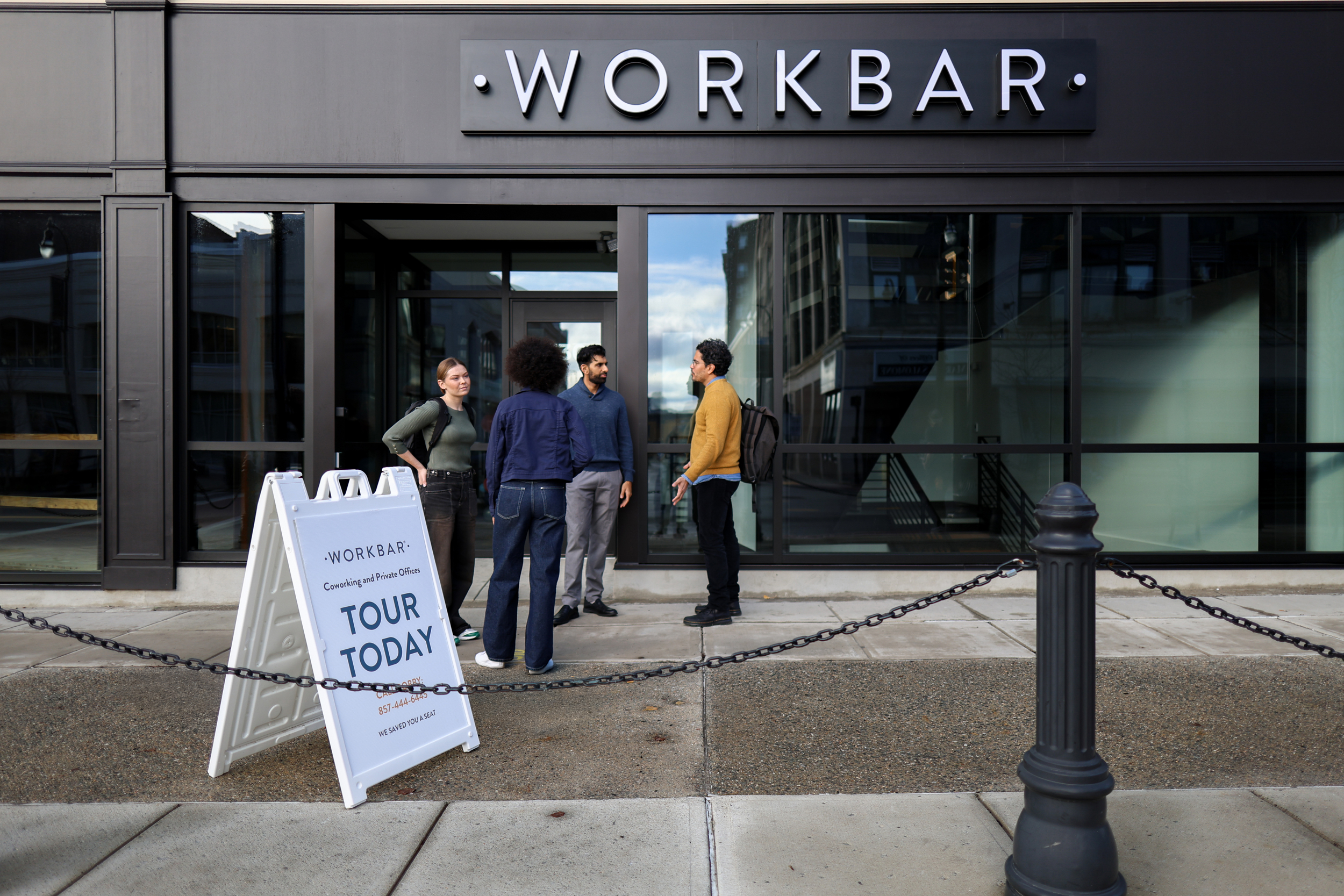
Workbar has an established network of coworking locations throughout Greater Boston, so businesses and communities always have flexible coworking options nearby.
FAQs: Coworking vs traditional office space in Greater Boston
Can I get a private office inside a coworking space?
Yes. Many Greater Boston coworking providers offer private offices and suites alongside open coworking, giving members privacy with shared amenities and community access.
Is coworking space suitable for client meetings?
Most coworking spaces in Greater Boston include bookable meeting rooms and professional common areas designed for hosting clients, with locations convenient to downtown Boston, Cambridge, and suburban business districts.
How quickly can a team scale up or down with a coworking membership?
Coworking memberships typically allow month-to-month changes, which means teams can add or remove seats as needs shift. This can be a particularly valuable benefit of coworking in a business landscape such as Boston's, which is always growing and innovating.
Does a coworking membership include a professional business address?
It depends. Some Greater Boston coworking providers offer virtual office memberships or include a mail services add-on with certain membership tiers that ensure mail handling. This way, they can maintain a professional presence in desirable Boston-area locations without the hefty price tag.
Is coworking more affordable than a traditional office lease in Greater Boston?
Coworking often costs less overall because amenities, utilities, and furniture are bundled, while traditional leases in Greater Boston's expensive commercial real estate market carry hidden costs that add up quickly—not to mention they require long-term commitments.